
This is one of those topics that can sound bigger or more distant than it really is. Groundwater pollution is not just a government issue or a problem for industrial sites. It can affect real homeowners who use that water for drinking, cooking, bathing, laundry, and cleaning. If a home relies on groundwater, then water quality is not something to assume. It is something to pay attention to.
Part of the challenge is that groundwater pollution does not always look dramatic. A lot of homeowners expect bad water to come with an obvious warning sign. They think it will smell bad, look cloudy, or leave bright stains behind. Sometimes that does happen. Iron may leave rust-colored staining. Sulfur can create a rotten egg odor. Hard water may leave scale buildup around fixtures and shower glass. But some pollutants are much less obvious. Water can look completely normal and still contain contaminants that deserve attention.
That is one reason this issue matters so much in North Carolina. Groundwater can be affected by both natural conditions and human activity. Depending on the area, water may pick up minerals and metals from the ground itself. In other places, contamination can be tied to industrial activity, landfills, agricultural runoff, fuel-related releases, older waste practices, or other environmental factors. The source can vary, but the lesson is the same. Underground water is not automatically untouched water.
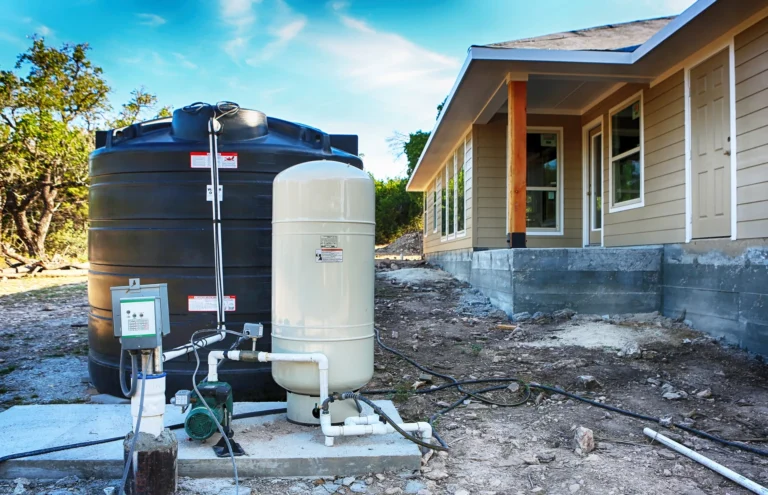
This becomes especially important for private well owners. If your home is connected to a public water supply, that water is treated, monitored, and regulated as part of a larger system. Private wells are different. They give homeowners more direct access to groundwater, but they
...
also put more responsibility on the homeowner. If something changes in the water, there may not be a utility company watching for it every day. That means the homeowner has to be more aware of water quality and more willing to test when concerns come up.
That does not mean everyone with a private well should panic. It means they should stay informed. There is a big difference between fear and awareness. The goal is not to assume every well is unsafe. The goal is to understand that groundwater quality can vary a lot from one property to the next, and assumptions are not a good substitute for actual information.
North Carolina has seen growing attention around groundwater contamination for exactly that reason. Concerns over PFAS, industrial compounds, and other pollutants have made more homeowners realize that clean-looking water is not always the same as clean water. That shift in awareness is actually a good thing. It means people are asking better questions. Instead of only asking whether the water tastes fine, they are asking what may actually be in it. That is a smarter way to think about water quality.
It also helps explain why groundwater issues can be frustrating. A homeowner may do everything they can, to keep a property in good shape and still end up with water concerns that originate well below the surface. Sometimes the issue is naturally occurring. Sometimes it is regional. Sometimes it is tied to land use from years ago. In other words, groundwater quality is not always a reflection of what the current homeowner did or did not do. It is often bigger than that.
For homeowners, the practical question is not just whether groundwater pollution exists in North Carolina. It is what to do with that information. The first answer is not to rush out and buy the first treatment system that sounds impressive. The first answer is to understand the water. Good decisions come from real information, not guesses. Testing matters because it tells you whether the issue is hard water, iron, bacteria, sediment, or something more complex. Without that, it is easy to solve the wrong problem and still feel frustrated afterward.
That is especially important because different water issues need different solutions. A home dealing with mineral-heavy hard water may need a water softener. A home with iron staining may need iron filtration. A home with bacterial concerns may need ultraviolet purification. A home facing broader contamination issues may need a more targeted filtration strategy. Water treatment works best when it fits the actual water, not just the homeowner’s best guess about what might be wrong.
This is also where the bigger impact of groundwater quality shows up. It is not only about safety in the abstract. It affects daily life. Water quality changes the way a home feels and functions. It affects taste, odor, stains, buildup, appliance performance, cleaning, laundry, and peace of mind. If the groundwater feeding your home has traces of pollution or other unwanted contaminants, that can touch a lot more than one glass of water.
For many families, that is what makes this topic feel personal. Water is part of the rhythm of the house. It is used constantly. When people start to question it, they are not just worrying about plumbing. They are thinking about their family, their routine, and the long-term condition of their home. That is a reasonable concern, and it is one more reason groundwater quality deserves attention.
At Frank Water Systems, we think the conversation around groundwater should be direct and practical. The point is not to overstate the problem or scare people into action. The point is to be honest. Groundwater in North Carolina can show traces of pollution. That is real. It is also real that different homes face different conditions, and not every concern calls for the same response. The best approach is to understand the water first, then make smart decisions based on what is actually there.
That mindset matters because it keeps homeowners from going to extremes. On one side, you do not want to ignore possible water issues just because the water looks fine. On the other side, you do not want to assume the worst without any real information. The middle ground is the right ground. Ask questions. Pay attention. Test when needed. Choose solutions based on facts.
The bottom line is simple. Groundwater is an important resource, but it is not immune to pollution. In North Carolina, traces of pollution in groundwater are a real enough concern that homeowners should take water quality seriously, especially if they rely on a private well. Not fearfully. Not reactively. Just seriously. Clear water is not always the same thing as clean water, and understanding that is the first step toward making better decisions for your home.
We respond within 24 hours · No spam, ever
Mon-Fri 8am-5pm Saturday by appointment